Closing on a home in Texas involves more than signing paperwork. It involves a specific…
Why Closing Disclosure Changes Happen
Your Closing Disclosure arrives a few days before closing, and some numbers may differ from your Loan Estimate.
Closing Disclosure changes are common, and most come from taxes, insurance, interest, and contract terms that shift from estimates to final figures as closing day approaches.
Knowing why closing disclosure changes happen helps you separate routine updates from the ones that need a clear explanation before you sign.
Federal rules replaced four older mortgage forms with the Loan Estimate and the Closing Disclosure.
The two documents share a similar layout, so you can line them up page by page and see exactly where a number moved.
🔍 How the Two Disclosures Work
The Loan Estimate gives you an early summary of your proposed loan terms, estimated monthly payment, projected closing costs, and estimated cash to close.
Lenders typically provide it within three business days after receiving your application, and it helps you compare offers from more than one lender.
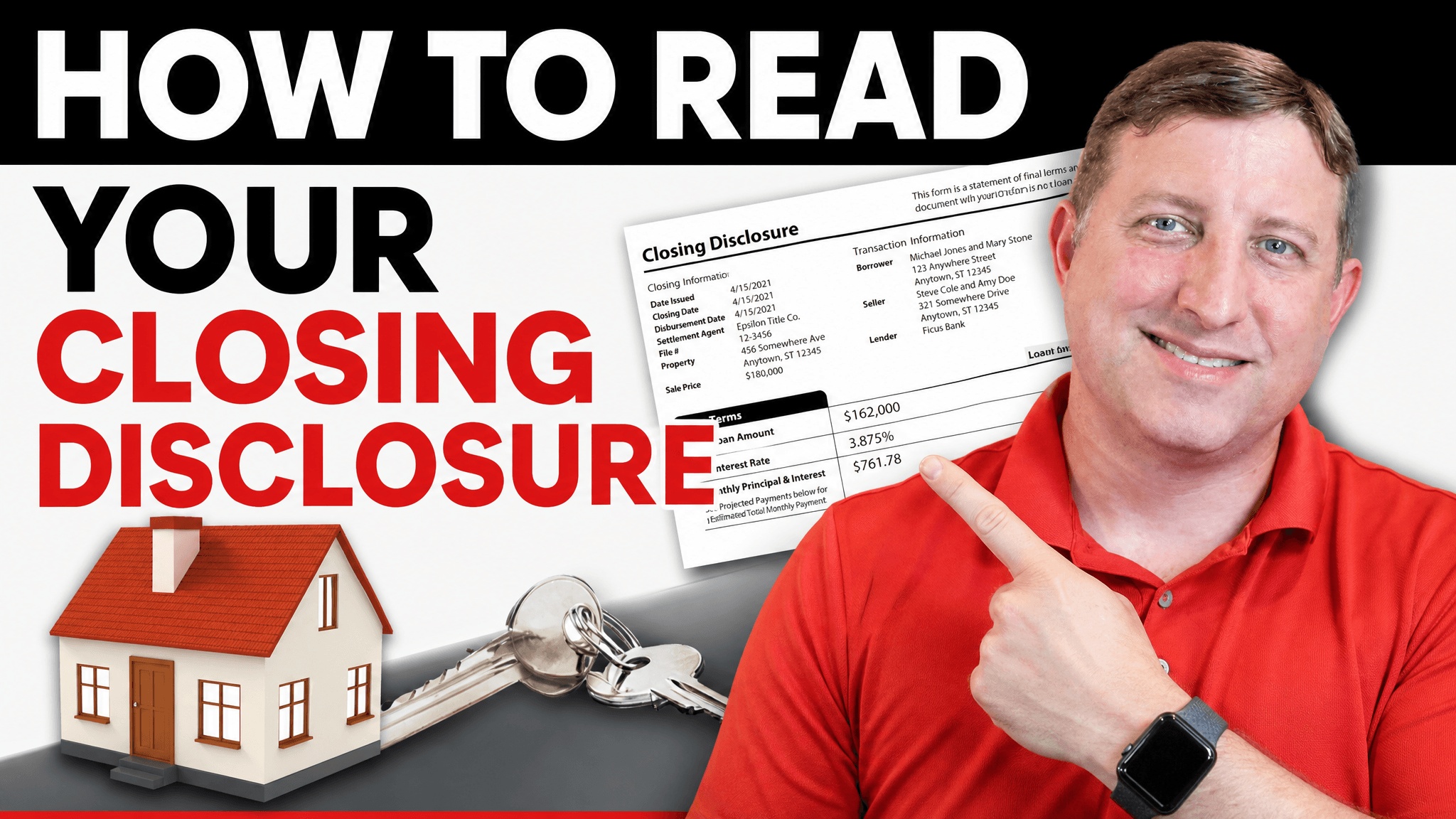
The Closing Disclosure shows your final loan terms, final closing costs, and the cash you need to bring to closing.
Your lender must give it to you at least three business days before your scheduled closing, so you have time to review it and ask questions.
A Loan Estimate doesn’t mean your loan is finally approved.
Underwriting still reviews your income, assets, credit, appraisal, title work, and insurance, and the results of that review can drive many Closing Disclosure changes.
Loan Estimate vs. Closing Disclosure
| Document | Purpose | Timing | What to Review |
|---|---|---|---|
| Loan Estimate | Shows your proposed loan terms and estimated costs | Typically within three business days after the lender receives your application | Interest rate, loan type, projected payment, fees, credits, and estimated cash to close |
| Closing Disclosure | Shows your final loan terms and closing figures | At least three business days before your scheduled closing | Changes from the Loan Estimate, final payment, closing costs, credits, and cash to close |
Why Closing Disclosure Changes Happen
Most closing disclosure changes trace back to one of six sources.
- Property taxes change because the Loan Estimate relies on available tax records or early assumptions. Your Closing Disclosure may reflect updated tax data, prorations, exemptions, your closing date, and information from the title company. A home in Dallas County can have a very different tax picture than a similar home in Collin, Denton, or Tarrant County, which makes property taxes one of the most common Closing Disclosure changes in North Texas.
- Homeowners insurance changes once you choose a policy and your insurer sets the final premium. That number replaces the estimate and can shift both your prepaid insurance and your monthly escrow payment.
- Prepaid interest changes when your closing date moves. The prepaid interest period gets longer or shorter, and the amount on your Closing Disclosure moves with it.
- Escrow deposits change when tax and insurance figures update. Your lender collects an initial deposit at closing to cover future tax and insurance bills, so updated figures change the deposit amount.
- Contract amendments and credits change your final numbers when the purchase price, seller credits, or other terms shift. Lender credits, seller credits, earnest money, and option money all affect your cash to close.
- Title and settlement charges can update as the title company completes its work. Optional services you add during the process can also appear on the Closing Disclosure for the first time.
💸 Which Charges Have Limits
Federal tolerance rules restrict how much certain charges can increase from your Loan Estimate to your Closing Disclosure.
Lenders can generally raise those charges only when a valid change in circumstances or another permitted reason applies.
Property taxes, insurance premiums, prepaid interest, escrow deposits, and title-related charges move more freely because they depend on information that arrives later in the process.
Many closing disclosure changes in those categories are routine updates.
Closing disclosure changes to lender charges deserve closer attention, so ask your lender to explain any increase in origination charges or other lender fees before you accept it as routine.
When the Three-Day Clock Restarts
Your lender can correct or update a Closing Disclosure before closing.
Most corrections only require an updated form, and a few significant closing disclosure changes generally trigger a new three-business-day review period.
Common examples include these three situations.
- The annual percentage rate becomes inaccurate beyond the permitted tolerance.
- The loan product changes.
- The lender adds a prepayment penalty to the loan.
A new review period can push your closing date back, and these timing rules can change over time.
Your lender, title company, and real estate agent coordinate to figure out how a specific revision affects the scheduled closing.
📄 How to Review Closing Disclosure Changes
The best way to review closing disclosure changes is to set your most recent Loan Estimate next to your Closing Disclosure and compare them line by line.
If you spot closing disclosure changes you didn’t expect, ask your lender why before closing day, because the three-day review window gives you time to resolve problems.
- Start with the loan terms. Confirm that the loan amount, loan term, loan purpose, product, loan type, and interest rate match your most recent Loan Estimate, and check whether the loan includes a prepayment penalty or a balloon payment.
- Confirm your rate lock. A rate lock is a lender commitment to honor specific pricing for a set period, subject to the lock terms and your continued loan eligibility, and lock periods and costs vary by lender.
- Check the monthly payment. Your estimated total monthly payment includes principal and interest plus property taxes, homeowners insurance, mortgage insurance when it applies, and HOA dues if the property has them.
- Look for items outside escrow. Anything in the Estimated Taxes, Insurance and Assessments section that sits outside escrow is a bill you pay on your own.
- Compare closing costs by category. Both forms group costs into origination charges, services you cannot shop for, services you can shop for, taxes and government fees, prepaids, and the initial escrow payment, which makes it easier to trace closing disclosure changes back to their source.
- Confirm your cash to close. Cash to close includes your down payment and closing costs, adjusted by earnest money, lender credits, seller credits, and other deposits, so make sure the Closing Disclosure credits your earnest money correctly.
Seller credits generally can’t go back to you as cash, so check that available credits apply to eligible costs before closing.
Credits that go unused because of a late adjustment can raise the amount you bring to the table.
Keep Your Numbers Steady Before Closing
Some closing disclosure changes start with the buyer.
Opening new credit, financing furniture, moving money between accounts, changing jobs, or making a large undocumented deposit can create new documentation needs or affect underwriting.
Talk with your lender before any major financial move. Keep updated bank statements, pay documents, insurance information, and identification ready in case your lender asks for them during final review.
Before you send your closing funds, call the title company at a phone number you know is legitimate and confirm the wiring instructions and the exact amount.
Fraudulent wiring instructions usually arrive by email, and a last-minute email changing those instructions is a warning sign.
✅ Closing Disclosure Changes Checklist
- Set your most recent Loan Estimate next to your Closing Disclosure.
- Confirm your name, property address, loan amount, and loan type.
- Check your interest rate and confirm your rate lock.
- Look for a prepayment penalty or balloon payment.
- Compare your estimated total monthly payment.
- Review each closing cost category for increases.
- Ask your lender to explain any increase in lender charges.
- Confirm that earnest money, option money, and all credits appear correctly.
- Verify your final cash to close and the approved payment method.
- Confirm wiring instructions by phone before sending funds.
- Hold off on new credit, job changes, and large deposits until after closing.
Frequently Asked Questions (FAQs)
Why does my Closing Disclosure look different from my Loan Estimate?
Most Closing Disclosure changes come from updated property taxes, insurance premiums, prepaid interest, escrow deposits, title charges, or contract terms. These figures start as estimates and become final numbers as closing gets closer.
Do closing disclosure changes delay closing?
Most corrections only require an updated Closing Disclosure without restarting the review period. A few significant Closing Disclosure changes, such as a new loan product or an added prepayment penalty, generally trigger a new three-business-day review period.
When will I receive my Closing Disclosure?
Your lender must give you the Closing Disclosure at least three business days before your scheduled closing. Use those days to compare it with your Loan Estimate and ask about anything that looks different.
Can my lender raise fees on the Closing Disclosure?
Federal tolerance rules limit how much certain charges can increase from the Loan Estimate. Lenders generally need a valid changed circumstance or another permitted reason to raise those charges, so ask for an explanation of any increase in lender fees.
Does signing the Closing Disclosure mean my loan is approved?
Signing or acknowledging the Closing Disclosure generally confirms you received it. Final underwriting, closing conditions, document signing, and funding requirements may still apply.
Do I get a Loan Estimate and Closing Disclosure if I assume a mortgage?
You generally receive both when the lender expressly agrees in writing to accept you as a primary borrower and the loan finances the purchase of your own primary residence, unless an exemption applies. Taking over a loan on a home you already hold an interest in, such as through an inheritance or a divorce, generally falls outside that requirement, though other disclosures may still apply.
Do reverse mortgages use a Loan Estimate and Closing Disclosure?
Reverse mortgages that fall under the federal reverse mortgage rules don’t use the Loan Estimate and Closing Disclosure. Other federal disclosure requirements can still apply, so ask your lender which forms to expect.

About the Author
Wade Betz
Mortgage Broker at Winning WIth Wade · NMLS #280613
Wade has been a stalwart in the mortgage industry since 2006, dedicating himself to helping thousands of families navigate the complexities of home financing. With so much experience, he stands out as a leading mortgage originator in the Dallas-Fort Worth area.
Specializes in: DSCR Loans, VA Loans, Reverse Mortgages
Licensed in: AL, AZ, AR, CA, CO, CT, FL, GA, ID, IL, IN, KS, LA, MD, MI, MS, MT, NE, NJ, NM, NC, OH, OK, OR, PA, SC, TN, TX, VA, WA, WI
Related Posts