4 Smart Moves for Buyers Facing High Mortgage Rates
High mortgage rates show up in your monthly payment before you ever make an offer, and they shape how much home fits your budget.
In mid-October, Freddie Mac’s weekly survey put the average 30-year fixed mortgage rate at 7.4%, up from 6.27% a year earlier.
Rates may have moved since then, and the forces driving them remain the same.
Buyers facing high mortgage rates still control four parts of the process: their preapproval, their debt, their rate buydown options, and how they shop for a lender.
🔍 What Moves Mortgage Rates
The Federal Reserve raised its target rate a quarter of a point on September 16, and that rate covers overnight loans between banks.
A 30-year mortgage is long-term money, so lenders watch the 10-year Treasury yield instead.
The Fed’s decisions reach your mortgage mostly through what investors expect rates to do down the road.
A Fed headline gives you context, and your actual mortgage quote follows the long-term market.
Why Mortgage Rates Run Higher Than the 10-Year Treasury
On October 14, the 10-year Treasury closed at 5.19%, and Freddie Mac’s 30-year average that week was 7.4%, a little over two points higher.
That gap exists because you can refinance if rates fall, and the investors holding your loan charge extra for the chance they’ll lose it.
Research from the Federal Reserve Bank of Boston found that this extra charge grows when rates swing around.
A jumpy bond market can push high mortgage rates even higher when the 10-year barely moves.
How High Mortgage Rates Change Your Payment
A 1.1-point rate increase sounds small until you see it in a monthly payment.
Borrowing $350,000 on a 30-year fixed loan shows how quickly it adds up:
- At the 6.27% average from a year earlier, principal and interest come to about $2,160 a month.
- At the mid-October average of 7.4%, the same loan runs about $2,423 a month.
- The difference is roughly $264 more every month, before taxes and insurance.
That extra $264 comes out of the same budget you live on after you move in, every month of the loan.
Why Your Quote May Differ From the Average
The 7.4% average describes a specific borrower with a conventional purchase loan, good-to-excellent credit, 20% down, and a single-family home they plan to live in. Freddie Mac also leaves points and fees out of the average it reports.
Even when high mortgage rates hit the whole market, your quote can look different depending on your credit, down payment, or property.
Your personal quote is the number you can work on, and the four moves below are where that work starts.
💸 Start With the Payment That Fits Your Budget
The first question to answer is what monthly payment feels comfortable for your budget, and the second is which price range has caught your eye.
Comparing those two numbers shows whether there’s a gap between them.
Sometimes the two numbers line up with no gap at all, and sometimes they’re a night-and-day difference.
When high mortgage rates push the payment up, that gap can grow, so the payment conversation comes first.
Start there in any market, because you still have to live your life after you move in.
When Buying Deserves a Serious Look
Buying isn’t always the right answer.
A good rule of thumb is that if you plan to stay put for three to five years or more and you’re comfortable with the payment, buying is worth a serious look, even though it can cost more at the start.
Ask about down payment assistance programs if saving for a down payment is what’s holding you back.
If the payment is your main worry, the four moves below are the place to start.
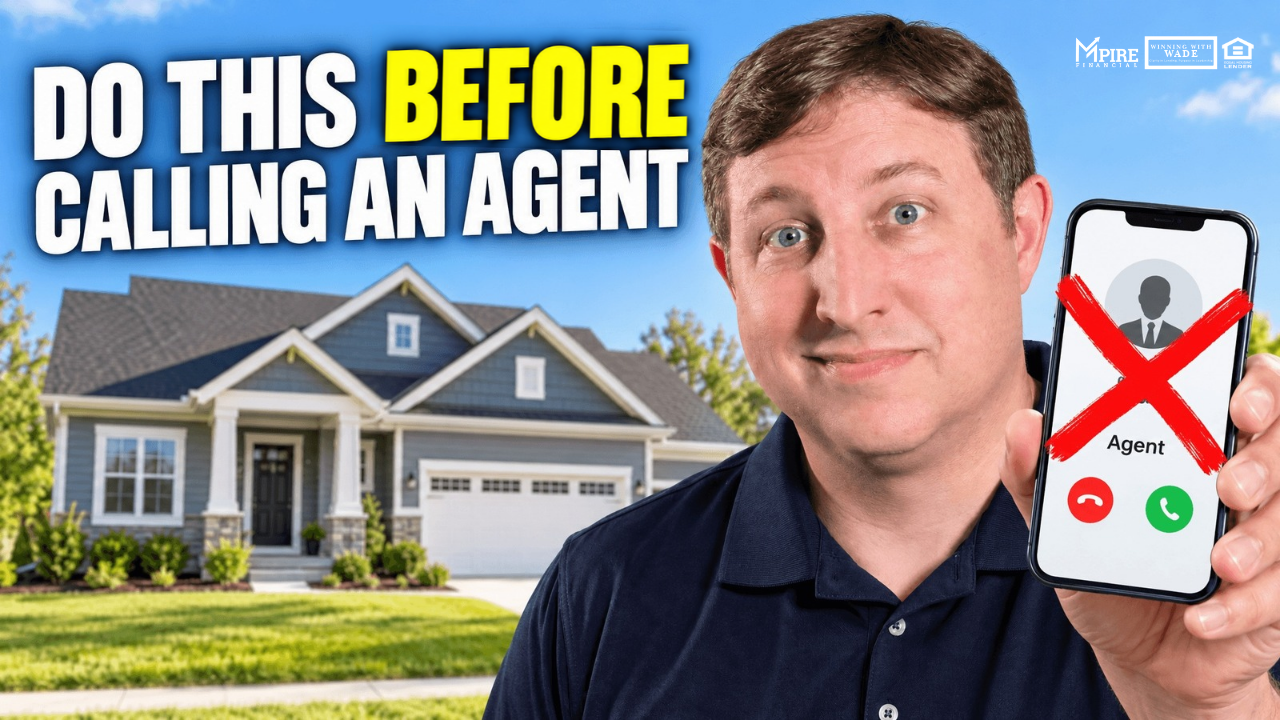
1. Get Preapproved Now, Even If You’re Waiting
Getting preapproved makes sense even when high mortgage rates have you planning to wait.
A preapproval letter tells you how much a lender is willing to lend you based on what they know about you today.
The letter is an early read on your finances and does not guarantee a loan offer.
Getting preapproved early helps you:
- See how much a lender is willing to lend you based on your finances today.
- Find and fix credit problems before you start house hunting, which the Consumer Financial Protection Bureau points out as a benefit of starting early.
- Give a seller a reason to take your offer seriously.
- Make an offer quickly if rates come down or the right house hits the market.
2. Pay Down Debt Without Coming Up Short at Closing
Lenders look closely at your debt-to-income ratio, or DTI, which is all your monthly debt payments divided by your gross monthly income.
Here’s how one payoff can change that number:
- You earn $6,000 a month before taxes.
- Your new house payment plus your other debts come to $2,000 a month.
- Your DTI comes to about 33%.
Paying off a $400 car payment drops your monthly debt to $1,600 and your DTI to about 27%.
A lower DTI gives you more breathing room when high mortgage rates raise the house payment side of that math.
Keep Cash for Your Down Payment and Closing Costs
The same cash you’d use to pay off a debt may also cover your down payment and closing costs.
Talk through any payoff with your loan officer before you send the money, so your plan lowers your debt without leaving you short at closing.
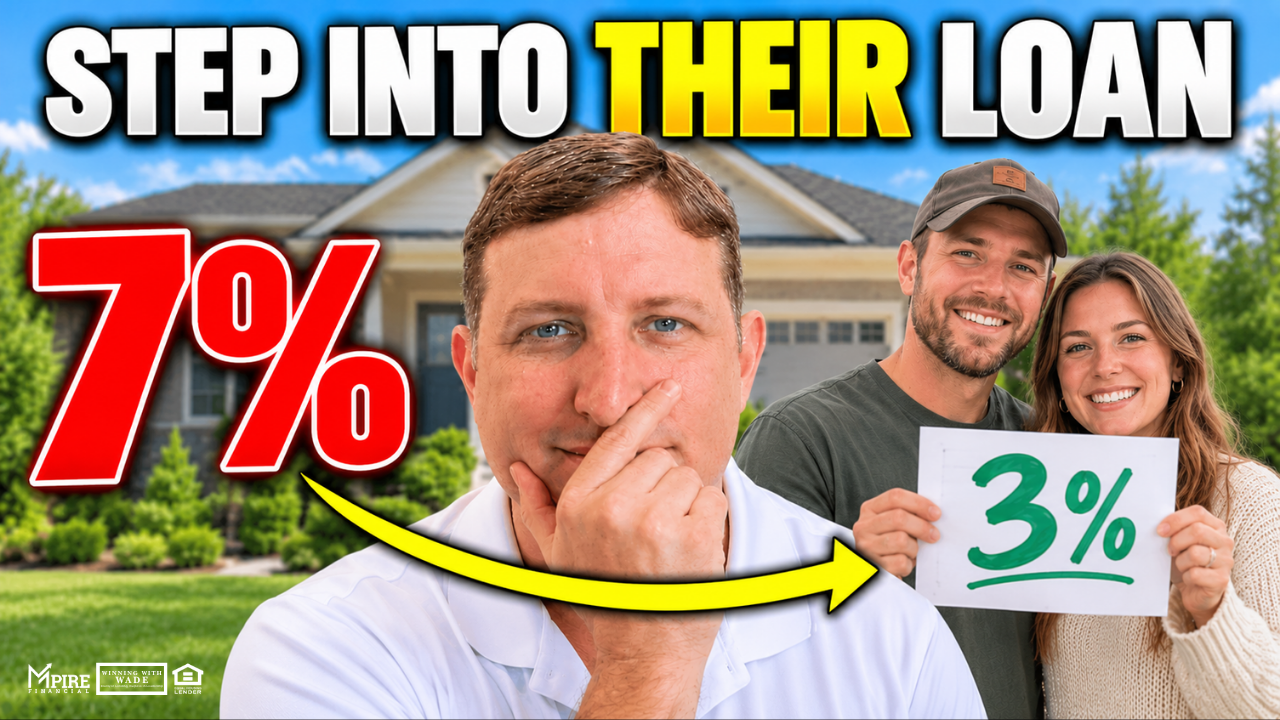
3. Buy Down Your Rate
A buydown means paying money upfront for a lower interest rate, and it comes in permanent and temporary versions.
Both can soften high mortgage rates, and they work in very different ways.
Permanent Buydowns With Discount Points
A permanent buydown uses discount points, and one point costs 1% of your loan amount, or $3,500 on a $350,000 loan.
How much a point lowers your rate depends on the lender and the market, and one point generally saves about a quarter of a percent.
The Consumer Financial Protection Bureau notes that points generally make more sense if you plan to keep the loan for a long time.
Weigh the upfront cost against how long you expect to keep the mortgage before you pay points to bring down high mortgage rates.
Temporary Buydowns and the 2-1 Example
A temporary buydown lowers your rate for the first few years of the loan.
On a conventional loan sold to Fannie Mae, a temporary buydown follows these limits:
- It can last up to three years.
- It can cut the rate by no more than 3%.
- The rate can rise no more than 1% each year.
A 2-1 buydown on that same $350,000 loan at a 7.4% rate plays out like this:
- In year one, you pay based on 5.4%, or about $1,965 a month.
- In year two, the rate moves to 6.4%, or about $2,189 a month.
- From year three on, you pay the full 7.4%, or about $2,423 a month.
You can ask the seller to chip in money toward the buydown within the loan’s limits.
Buyers whose main worry is the payment can build that request right into their offer.
A temporary buydown eases high mortgage rates only for the first few years.
Fannie Mae still requires a lender to qualify you at the full rate, so make sure the year-three payment fits your budget.
Other loan types have their own rules for temporary buydowns.
Nobody can promise where rates go from here, but there’s plenty that you can control.” — Wade Betz, Winning With Wade | Mortgage Education and Strategy
4. Shop Lenders With Same-Day Loan Estimates
Whichever buydown route you take, shop around before you choose a lender, especially with high mortgage rates.
Freddie Mac says getting multiple quotes can potentially save you thousands over the life of the loan.
Ask each lender for a Loan Estimate on the same day, with and without points if possible.
Then compare the offers side by side:
- Check the interest rate each lender quotes with and without points.
- Look at what each lower rate costs you upfront.
- Compare the monthly payment each option creates.
Seeing the numbers side by side shows what a lower rate costs upfront and whether paying for it fits your plan.
🟢 Start Well Before You Make an Offer
These four moves work best well before you make an offer, while you still have time to pay down debt and plan your budget.
Buyers who start early with high mortgage rates are ready to act when rates come down, or the right house hits the market.
High Mortgage Rates Checklist
- Decide what monthly payment feels comfortable for your budget.
- Compare that payment with the price range that has caught your eye.
- Get preapproved early so you have time to find and fix credit problems.
- Figure out your DTI and see how paying off a debt would change it.
- Talk through any debt payoff with your loan officer before using cash you need for closing.
- Ask each lender what one discount point costs and how much it lowers your rate.
- Ask whether the seller can contribute toward a buydown as part of your offer.
- Confirm the full payment fits your budget if you use a temporary buydown.
- Request same-day Loan Estimates from several lenders, with and without points.
📣 Frequently Asked Questions (FAQs)
How do high mortgage rates affect my monthly payment?
On a $350,000, 30-year fixed loan, moving from 6.27% to 7.4% raises principal and interest from about $2,160 to about $2,423 a month. That’s roughly $264 more every month before taxes and insurance.
Does the Federal Reserve set mortgage rates?
The Federal Reserve sets a target rate for overnight loans between banks, and 30-year mortgage rates follow the 10-year Treasury instead. Fed decisions affect your mortgage rate mostly through what investors expect rates to do down the road.
Why are mortgage rates higher than the 10-year Treasury?
Investors holding your mortgage charge extra because you can refinance if rates fall, which means they could lose the loan. Research from the Federal Reserve Bank of Boston found that this extra charge grows when rates swing around.
Should I get preapproved while high mortgage rates have me waiting?
Getting preapproved early shows how much a lender is willing to lend you and gives you time to find and fix credit problems before house hunting. If rates come down or the right house hits the market, you’re ready to make an offer.
Can discount points lower high mortgage rates?
Discount points can lower your rate, and one point costs 1% of your loan amount, or $3,500 on a $350,000 loan. The rate reduction depends on the lender and the market, and it generally comes to about a quarter of a percent.
What is a 2-1 buydown on a mortgage?
A 2-1 buydown lowers your rate by 2% in year one and 1% in year two, and the full rate starts in year three. On a $350,000 loan at 7.4%, the payment runs about $1,965 in year one, $2,189 in year two, and $2,423 from year three on.
Can the seller pay for a temporary buydown?
You can ask the seller to contribute toward a buydown within the loan’s limits and build that request into your offer. On a conventional loan sold to Fannie Mae, the lender still qualifies you at the full rate.
Is it worth buying a home with high mortgage rates?
Buying is worth a serious look if you plan to stay put for three to five years or more and you’re comfortable with the payment. Buying can cost more at the start, so the decision starts with a monthly payment that fits your budget.

Wade Betz
Wade has been a stalwart in the mortgage industry since 2006, dedicating himself to helping thousands of families navigate the complexities of home financing. With so much experience, he stands out as a leading mortgage originator in the Dallas-Fort Worth area.
Related Posts