Two homeowners insurance policies can carry the same coverage limit and still pay you very…
How to Assume a Mortgage and Keep the Seller’s Lower Rate
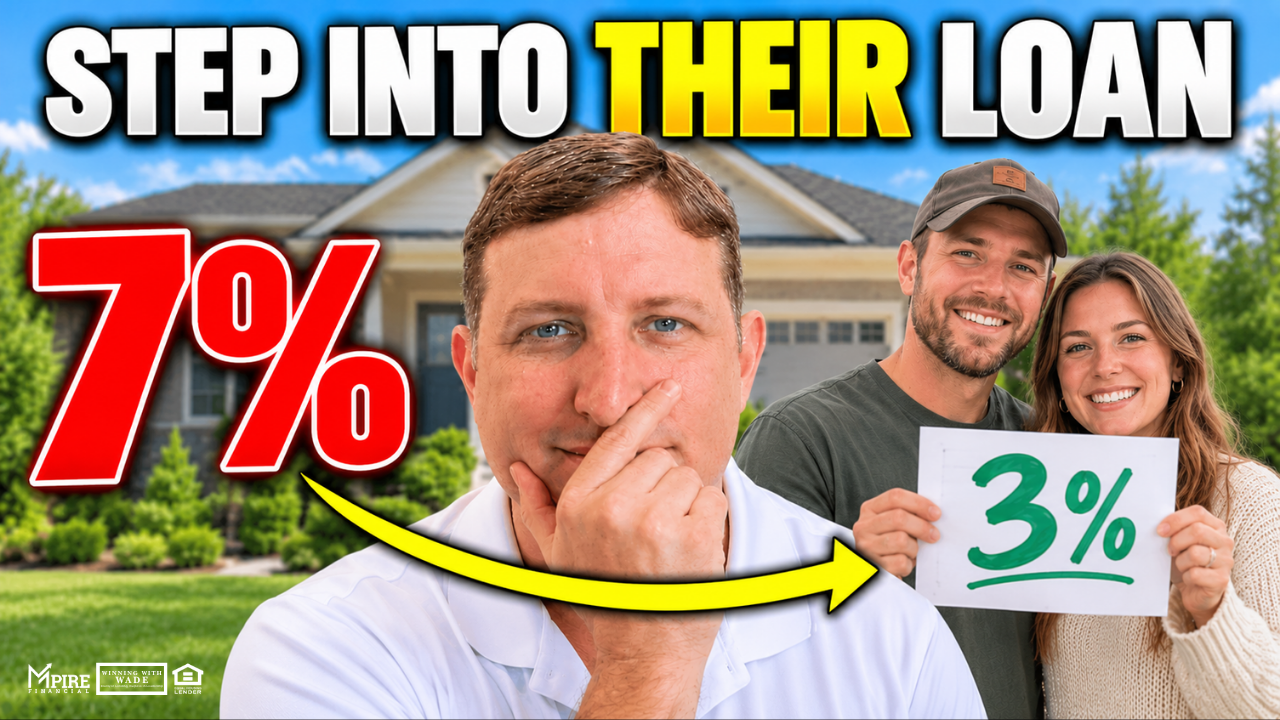
High rates mean many buyers are looking for ways to keep their monthly payment manageable, and one option comes with certain homes for sale.
When you assume a mortgage, you take over the seller’s existing FHA, VA, or USDA loan with the same interest rate, remaining balance, and payoff date.
FHA and VA built this option into their programs, so any home with one of those loans on it is worth a closer look.
To assume a mortgage, you still need approval from the loan servicer, and you need to cover the difference between the purchase price and what the seller still owes.
The size of that difference decides whether the deal makes sense for you.
🔍 What It Means to Assume a Mortgage
Lenders call taking over a seller’s loan an assumption, and it means you step into their mortgage exactly as it stands today.
When you assume a mortgage, you take over the following:
- The seller’s existing interest rate
- The remaining loan balance
- The original payoff date
Your repayment schedule picks up where the seller’s left off, so the loan keeps the same payoff date it had when the seller held it.
The home sells at today’s value, and the existing loan only covers what the seller still owes, so you’ll need a plan for the difference.
Which Loans You Can Take Over
The type of loan on the house decides whether you can assume a mortgage at all.
1. FHA Loans
FHA rules say every FHA-insured mortgage is assumable, and the lender can’t add its own restrictions on top of that. You still have to qualify and live in the home, so an FHA assumption doesn’t work for investors.
2. VA Loans
VA treats assumptions as a built-in feature of the loan.
You don’t have to be a veteran to take over a VA loan, and the seller may still ask about your status because of how VA entitlement works.
3. USDA Loans
USDA loans are assumable too, and USDA reviews and approves each assumption itself.
4. Conventional Fixed-Rate Loans
Conventional fixed-rate loans aren’t assumable, so if the seller has one, their rate stays with them.
Before you fall for a home because of its rate, ask what kind of loan is on it.
🏡 How to Qualify With the Servicer
Finding a home with the right loan is half the process, and getting approved to take it over is the other half.
Approval goes through the servicer, which is the company that collects the seller’s mortgage payment every month.
Before you can assume a mortgage, the servicer reviews your finances the same way a lender would on a brand-new loan, including the following:
- Your credit
- Your income
- Your current debts
Get your credit and income in order before you start touring homes with assumable loans, since those are the first things the servicer checks.
VA Funding Fee and Appeals
VA charges a one-time funding fee when you assume a VA-backed mortgage.
The fee is currently half a percent of the loan balance, and you pay it in cash at closing unless you qualify for an exemption.
Budget for that fee alongside the rest of your cash to close, since the interest rate alone doesn’t show everything you’ll bring to the table.
If the servicer turns you down on a VA assumption, you or the seller can appeal directly to VA within 30 days.
💸 Covering the Gap Between Price and Balance
The biggest hurdle when you assume a mortgage is usually the gap between what the house sells for and what the seller still owes.
The house sells at today’s value, and the seller’s loan only covers their remaining balance, so you pay the difference.
That gap works like your down payment on an assumption.
The gap grows larger in either of these situations:
- The seller has paid down a large share of the balance.
- The home has gained value since the seller bought it.
You can cover the gap in one of two ways:
- Bring the full amount in cash at closing.
- Bring part of it in cash and cover the rest with a second loan.
VA has published its own guidance for adding a second loan to a VA assumption.
How a Second Loan Changes the Math
A second loan comes with its own interest rate and its own monthly payment.
Once you add a second loan, the seller’s low payment only tells part of the story, because you’ll pay both loans every month.
The more cash you bring toward the gap, the smaller the second loan needs to be and the better the assumption looks.
⚖️ Comparing Payments Before You Assume a Mortgage
The number that matters is the total of both payments, compared with what a new loan on the same house would cost you.
Line up these three figures side by side:
- What you’d pay each month on the assumed loan
- What you’d pay each month on any second loan
- What you’d pay each month on a new loan for the same home
The lower rate only helps you if the combined payment comes out ahead of the new loan.
If the numbers favor a new loan, running them still pays off, because you’ll know which option fits before you commit to a house.
The best time to compare both payments is while you’re house hunting, when you still have time to weigh each option.
When today’s rates feel like a wall, the first question to ask about any house is what kind of loan is already on it.” — Wade Betz, Winning With Wade | Mortgage Education and Strategy
Four Questions to Ask Before You Make an Offer
Any home with an FHA, VA, or USDA loan is a candidate, and the seller still has to agree to sell it that way.
Have your agent ask the listing agent these four questions before you make an offer:
- What type of loan does the seller have? The answer tells you whether you can assume a mortgage on that home.
- What is the interest rate, and how much is left on the balance? These two numbers let you calculate the gap and compare payments.
- Are the payments current? You want to know the loan is in good standing before you build an offer around it.
- Who services the loan? The servicer handles your approval, so you need to know where your application goes.
With those answers in hand, you can figure out the gap, compare the payments, and get your approval reviewed before you sign anything.
🇺🇸 Why VA Sellers Ask If You’re a Veteran
If the seller has a VA loan, expect them to ask whether you’re a veteran.
The seller’s VA benefit, called entitlement, stays tied to that loan until it’s paid off, unless the buyer is a veteran who substitutes their own entitlement.
To make that substitution, the buyer has to plan to live in the home as a primary residence and use their own entitlement in place of the seller’s.
A non-veteran buyer can still qualify to assume a VA-backed mortgage, and in that case the seller’s entitlement stays with the loan until it’s paid off.
Many VA sellers prefer a veteran buyer for this reason, since substitution frees their entitlement from the loan.
How the Seller Gets Released
Many sellers worry about staying responsible for a mortgage after someone else takes it over.
On FHA and VA assumptions, the seller comes off the loan once the servicer approves you and the assumption closes.
That release helps put a nervous seller at ease when you assume their mortgage.
On a VA loan, the release and the entitlement question are two separate issues, so a seller can come off the loan while their entitlement stays tied to it.
✅ Assume a Mortgage Checklist
- Confirm the home has an FHA, VA, or USDA loan.
- Confirm the seller agrees to sell the home with an assumption.
- Get the interest rate, remaining balance, payment status, and servicer name.
- Pull together your credit, income, and debt information for the servicer.
- Plan to live in the home if you’re taking over an FHA loan.
- Calculate the gap between the purchase price and the remaining balance.
- Decide how much of the gap you’ll cover in cash and whether you need a second loan.
- Compare the combined payment with a new loan on the same house.
- Budget for the VA funding fee if you’re taking over a VA loan and don’t qualify for an exemption.
- Find out whether a VA seller wants a veteran buyer who can substitute their entitlement.
Frequently Asked Questions (FAQs)
Can you assume a mortgage on any home?
You can only assume a mortgage when the home has an FHA, VA, or USDA loan. Conventional fixed-rate loans aren’t assumable, so the seller’s rate stays with them.
Do you have to be a veteran to assume a VA loan?
You don’t have to be a veteran to take over a VA loan, as long as the servicer approves you. The seller may still prefer a veteran buyer who can substitute their own entitlement so it no longer stays tied to the loan.
Who approves a mortgage assumption?
The servicer, which is the company that collects the seller’s monthly payment, reviews your credit, income, and debts the same way a lender would on a new loan. USDA also reviews and approves each USDA assumption itself.
How much cash do you need to assume a mortgage?
You need to cover the difference between the purchase price and the seller’s remaining loan balance, which works like your down payment. That amount depends on how much the seller has paid down and how much the home has gained in value.
Can you use a second loan to cover the gap?
You can cover part of the gap with a second loan, and VA has published guidance on adding a second loan to a VA assumption. The second loan carries its own rate and payment, so compare both payments together against a new loan on the same house.
Is there a fee to assume a VA loan?
VA currently charges a one-time funding fee of half a percent of the loan balance on assumptions. You pay it in cash at closing unless you qualify for an exemption.
Can an investor assume a mortgage on an FHA home?
An FHA assumption requires you to live in the home, so it doesn’t work for investors. The servicer still reviews your credit, income, and debts before approving the assumption.
What happens to the seller after an assumption?
On FHA and VA assumptions, the seller comes off the loan once the servicer approves the buyer and the assumption closes. On a VA loan, the seller’s entitlement stays tied to the loan unless a veteran buyer substitutes their own.

About the Author
Wade Betz
Mortgage Broker at Winning WIth Wade · NMLS #280613
Wade has been a stalwart in the mortgage industry since 2006, dedicating himself to helping thousands of families navigate the complexities of home financing. With so much experience, he stands out as a leading mortgage originator in the Dallas-Fort Worth area.
Specializes in: DSCR Loans, VA Loans, Reverse Mortgages
Licensed in: AL, AZ, AR, CA, CO, CT, FL, GA, ID, IL, IN, KS, LA, MD, MI, MS, MT, NE, NJ, NM, NC, OH, OK, OR, PA, SC, TN, TX, VA, WA, WI
Related Posts