
You found your next home, but your current home hasn’t sold. https://www.youtube.com/watch?v=nbiYmoT09E8 A mortgage recast…
How to Get a Preapproval Letter Before You Tour Homes
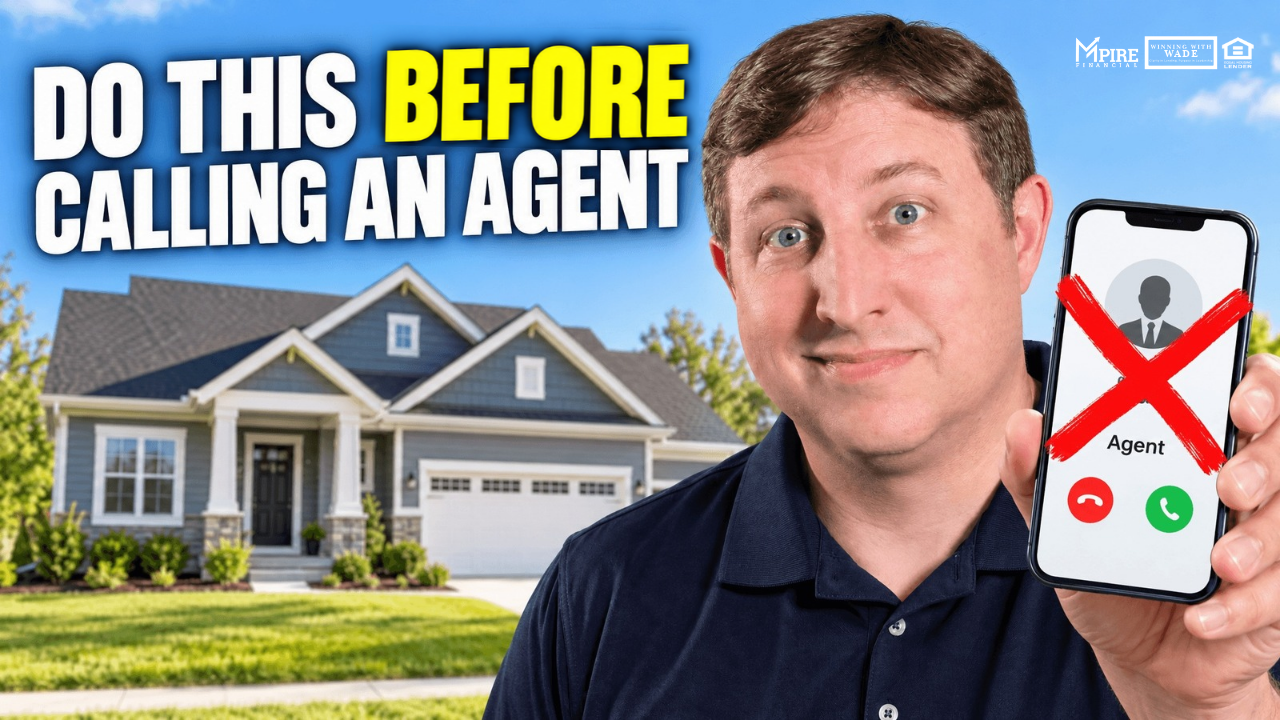
The idea of buying a house pops into your head, so you open Zillow or Realtor.com and start saving homes you love.
When an agent calls you back about one of those homes, the first question you’re likely to hear is whether you have a preapproval letter.
A preapproval letter tells a seller you’re likely to get financing and shows how much a lender is tentatively willing to let you borrow.
If you aren’t preapproved, an agent may want you to talk to a lender before showing you homes.
It only takes a conversation to get started, and getting preapproved doesn’t lock you into that lender.
🔍 What Is a Preapproval Letter?
A preapproval letter is a statement from a lender saying it’s tentatively willing to lend you money up to a certain amount.
The lender bases that amount on what it knows about you so far, so the letter isn’t a guaranteed loan offer, but it does tell a seller you’re likely to get financing.
According to the Consumer Financial Protection Bureau (CFPB), sellers often require one before they’ll accept your offer, which is a big reason agents ask about it first.
Think of the letter as a permission slip to go shopping, with a few conditions attached.
Preapproval vs. Prequalification
You’ll hear the words prequalification and preapproval, and different lenders use them differently.
Some lenders offer only one or the other, so how closely the lender reviews your finances tells you more than the name on the letter.
That review can look different from one lender to the next:
- Some lenders write the letter based only on what you tell them verbally.
- Other lenders go through your documents with you upfront, so nothing surprises you later.
Ask your lender which way it plans to do it, because a letter backed by your documents means fewer surprises down the road.
🛑 Questions to Ask Your Lender
Once you have your preapproval letter, ask your lender these two questions:
- What assumptions did you make to issue this letter?
- Is there anything in my situation that could get my loan denied later or raise my rate or costs?
Your Preapproval Amount and Your Budget
Your preapproval letter tells you the most a lender is willing to let you borrow.
Freddie Mac advises borrowing only what’s comfortable for you and fits your budget, and the lender’s number and your comfortable number can land far apart.
The lender works from your gross monthly income, which is your pay before taxes come out, and it also looks at your assets, debts, and credit.
Your budget runs on the money that lands in your bank account, and that money also has to cover child care, groceries, and what you want to keep saving every month.
Falling for a house you can’t afford usually starts with touring before you know your number.
Use the letter to set your price range with these three steps.
1. Shop at Your Original Budget
Your letter may come back higher than the price range you had in mind, and saving homes at the top of that number can feel tempting.
The lender’s math never saw your child care bill or your savings goal, so shop at the number you’re comfortable with and leave the rest of the letter as breathing room.
2. Ask What Limited the Amount
If your letter comes back lower than you planned to spend, ask your lender what limited the amount.
Sometimes your income sets the limit, and you’ll need to adjust your price range.
3. Tell Your Agent Your Price Limit
If you don’t want to see homes above a certain price, tell your agent before the first showing.
📑 Documents Your Lender Will Ask For
According to Freddie Mac, your lender will ask for these documents:
- Your most recent paycheck stubs
- Your W-2s
- Statements from every bank and investment account you have
- Statements for every debt you owe
- Your tax returns
- Proof of any other income you receive
Freddie Mac also says to send every page of every document your lender asks for.
If a bank statement has six pages, send all six, even if the sixth page is blank.
What Your Lender Looks For
Your lender uses those documents to review four things Freddie Mac calls the four C’s:
- Capacity is your ability to repay the loan.
- Capital is the cash you have available.
- Collateral is the home itself.
- Credit is your credit history.
Your lender also looks at your debt-to-income ratio, which shows how much of your gross monthly income goes toward your mortgage and your other debts combined.
⏰ When to Start the Conversation
Start talking with a lender before you start touring homes.
If you need a document that takes a few weeks to track down, you want to know that long before the week you’re supposed to close.
Lenders usually check your credit before issuing a preapproval letter, and the letter typically expires in 30 to 60 days.
Plan to have the letter updated once you’re shopping seriously.
Getting preapproved early can also turn up a problem with your credit or paperwork. And the sooner you find it, the more time you have to fix it.” — Wade Betz, Winning With Wade | Mortgage Education and Strategy
How Mortgage Rates Affect Your Price Range
Your interest rate is the one piece your own numbers don’t control.
Freddie Mac’s weekly survey had the 30-year fixed rate averaging 7.4% the week of October 8, 2026, up from 7.28% the week before.
The Department of Housing and Urban Development (HUD) lists your interest rate as one of the things that determines what you can afford.
When rates move, your price range moves with them, even if nothing else in your life has changed.
With rates above 7% in October 2026, a market like this is a good time to get a preapproval letter, even if you aren’t planning to buy this month.
The slowest part of the process, gathering your documents and cleaning up anything on your credit, gets done while things are quiet.
When the market shifts, you’re updating a letter while other buyers are starting from scratch.
Use these steps to stay ready:
- Get preapproved now and fix whatever turns up.
- Ask your lender to rerun the numbers when rates move, so you know how your price range has changed.
- Have your lender refresh your letter before you start making offers.
🏡 What Happens After the Seller Accepts Your Offer
Once you find the house, the clock speeds up, and the CFPB says you may have as little as a couple of days to line up your financing after a seller accepts your offer.
You want your lender conversations done before you’re under contract.
How to Compare Lenders
A preapproval letter doesn’t commit you to that lender.
The CFPB recommends getting preapprovals from at least three lenders, and doing them within a short period of time should have no major impact on your credit score.
Hold off on choosing your lender until you’ve made an offer and can compare official Loan Estimates.
Your lender sends a Loan Estimate within three days of completing your application, and it lays out these details:
- Your loan terms
- Your annual percentage rate, or APR
- All of your estimated costs
❌ What to Do If a Lender Says No
A lender’s no gives you information you can use.
Ask the lender to explain why, including whether your credit score was too low or something specific on your credit report caused the problem.
If your credit score was part of the decision, the lender has to send you a notice showing the score it used, along with instructions for getting a free copy of your credit report.
Get any mistakes you find on that report corrected.
If you need help improving your credit, a HUD-approved housing counseling agency can help, and you can reach one at 1-800-569-4287.
Preapproval Letter Checklist
- Ask your lender whether it will base your preapproval letter on what you tell it or on your documents.
- Ask what assumptions the lender made and what could get your loan denied or raise your rate or costs.
- Set your budget around the money that lands in your bank account.
- Tell your agent your price limit before the first showing.
- Gather your documents and send every page your lender asks for.
- Fix any credit or paperwork problems that turn up.
- Ask your lender to rerun your numbers when rates move.
- Refresh your letter before you start making offers.
- Get preapprovals from at least three lenders within a short period.
- Compare official Loan Estimates before you choose your lender.
📣 Frequently Asked Questions (FAQs)
What is a preapproval letter?
A preapproval letter is a statement from a lender saying it’s tentatively willing to lend you money up to a certain amount, based on what it knows about your finances so far. The letter tells a seller you’re likely to get financing, and it isn’t a guaranteed loan offer.
How do I get a preapproval letter?
To get a preapproval letter, talk with a lender and provide your paycheck stubs, W-2s, tax returns, account and debt statements, and proof of any other income. Freddie Mac says to send every page of every document your lender asks for, and lenders usually check your credit before issuing the letter.
How long does a preapproval letter last?
A preapproval letter typically expires in 30 to 60 days. Ask your lender to refresh your letter before you start making offers.
Should I get a preapproval letter before looking at houses?
Yes, getting preapproved helps you know your number before you fall for a house, and the CFPB says sellers frequently require a letter before they’ll accept your offer. Starting early also gives you more time to fix any credit or paperwork problems that turn up.
What is the difference between prequalification and preapproval?
Different lenders use the terms prequalification and preapproval differently, and some lenders only offer one or the other. How closely the lender reviews your finances matters, because a letter backed by your documents means fewer surprises later.
Can I get preapproved by more than one lender?
Yes, the CFPB recommends getting preapprovals from at least three lenders, and doing them within a short period of time should have no major impact on your credit score. Getting preapproved doesn’t commit you to a lender, so you can compare official Loan Estimates after you make an offer and then choose.
Should I spend the full amount I’m preapproved for?
Your preapproval shows the most a lender is willing to let you borrow, and Freddie Mac advises borrowing only what’s comfortable for you and fits your budget. Set your price range around the money that lands in your bank account after costs like child care and groceries.
What should I do if a lender declines my preapproval?
Ask the lender to explain why, and if your credit score was part of the decision, the lender has to send you a notice showing the score it used and how to get a free copy of your credit report. Correct any mistakes on that report, and call a HUD-approved housing counseling agency at 1-800-569-4287 if you need help improving your credit.

About the Author
Wade Betz
Mortgage Broker at Winning WIth Wade · NMLS #280613
Wade has been a stalwart in the mortgage industry since 2006, dedicating himself to helping thousands of families navigate the complexities of home financing. With so much experience, he stands out as a leading mortgage originator in the Dallas-Fort Worth area.
Specializes in: DSCR Loans, VA Loans, Reverse Mortgages
Licensed in: AL, AZ, AR, CA, CO, CT, FL, GA, ID, IL, IN, KS, LA, MD, MI, MS, MT, NE, NJ, NM, NC, OH, OK, OR, PA, SC, TN, TX, VA, WA, WI
Related Posts