
Condo financing works differently from financing a single-family home, and most buyers find out why…
How HECM for Purchase Works on New Construction Homes
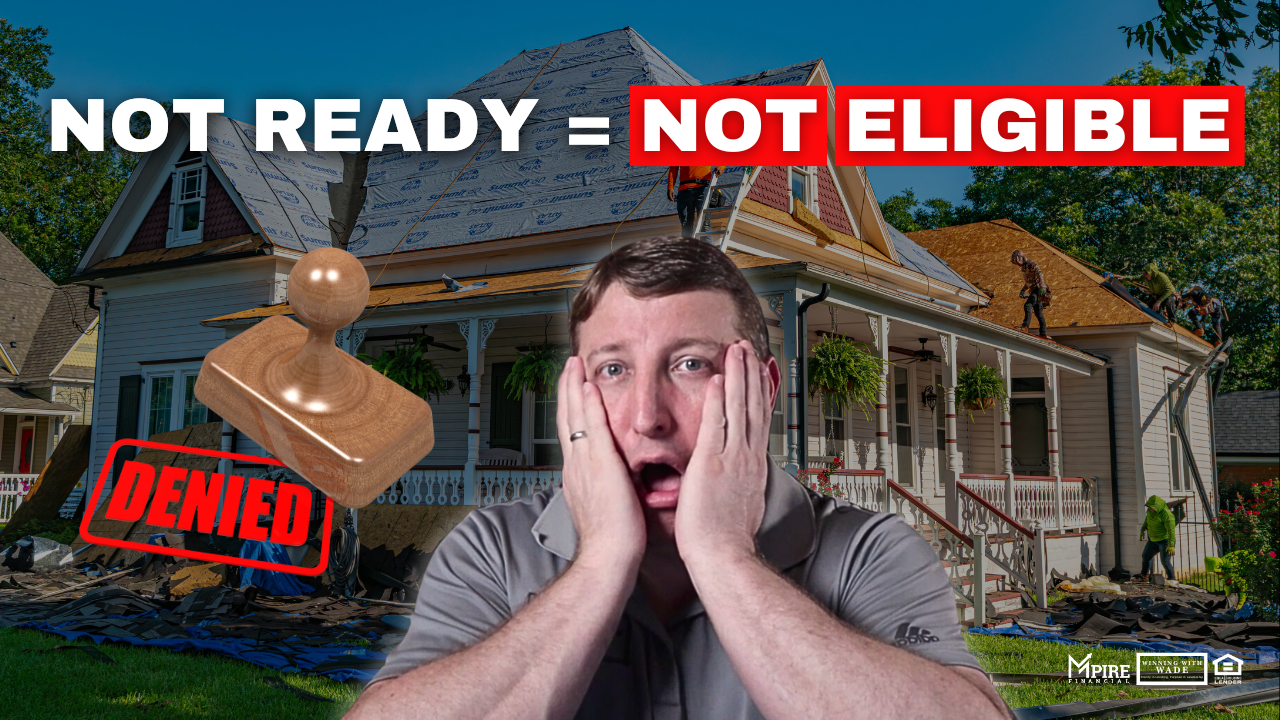
If you plan to use a HECM for Purchase to buy a newly built home, one FHA rule determines whether the transaction can close.
The home must be fully complete and have a certificate of occupancy issued before closing.
Many borrowers do not learn this until they are already under contract, their moving plans are in motion, and the builder’s timeline is underway.
Understanding how FHA classifies new construction, what documentation is required, and how timing affects the loan before signing anything can prevent an expensive and avoidable situation.
What a HECM for Purchase Is
A HECM for Purchase is a reverse mortgage program for homebuyers age 62 and older.
The borrower brings a down payment from personal funds at closing, and the reverse mortgage finances the remaining amount without requiring monthly mortgage payments.
The loan becomes due when the borrower permanently leaves the home, sells it, or passes away.
For older buyers, this can be a useful strategy for:
- Moving closer to family without tying up liquid assets in a cash purchase
- Right-sizing into a home that fits retirement better
- Buying into a new neighborhood or active adult community
- Reducing housing payment pressure during retirement
The program is FHA-insured, which means FHA property eligibility rules apply in full.
Those rules are where the new construction timing issue originates.
🛠️ Why New Construction Can Create a Problem
FHA allows a HECM for Purchase on new construction.
The issue is the property’s construction status at the time the loan closes.
FHA places new construction into specific categories, and those categories determine whether the property is eligible at a given point in time.
A home that has not yet reached the required status at the time the closing is scheduled cannot support the transaction, regardless of how close it is to completion.
How FHA Defines New Construction Status
Proposed Construction
A property in proposed construction has not had permanent building materials placed.
Site preparation and footing excavation do not qualify.
The home may exist as plans or an early-stage lot, but nothing permanent has been installed.
Under Construction
This category begins once permanent materials are in place and continues through full completion, up to the point where a certificate of occupancy is issued.
A home can be nearly finished, awaiting only minor details or municipal approvals, and still fall under this category if the certificate of occupancy has not been issued.
Existing Less Than One Year
This is the status a newly completed home must reach before it can support a HECM for Purchase closing.
The home is fully complete, the certificate of occupancy has been issued, and the property has never been occupied.
🛑 The Rule That Stops the Transaction
For a HECM for Purchase on a new construction home to close, the home must be 100% complete and have a certificate of occupancy issued before closing.
A property still in proposed construction or under construction at the time of closing is not eligible, regardless of how close it is to completion or how soon the certificate is expected.
Buyers cannot sign a contract months in advance and assume the financing will resolve itself once the home is done.
The transaction has to be structured around when the property becomes FHA-eligible, not when the builder expects physical construction to finish.
For condominium units, the same requirement applies.
The certificate of occupancy, or the local equivalent, must be in hand before closing.
Why This Catches Buyers Off Guard
Most borrowers who run into this problem have already handled the visible steps correctly.
They have:
- Spoken with a lender
- Completed required HECM counseling
- Selected a builder
- Chosen a floor plan
- Signed a purchase agreement
The issue surfaces later, when the construction status and loan timeline are reviewed together.
The core confusion comes from treating two different dates as the same:
- The builder’s projected completion date.
- The certificate of occupancy issuance date.
A builder may estimate the home will be ready in 90 days, but final local inspections and occupancy approval can take weeks beyond that.
For a buyer who has sold an existing home, moved into short-term housing, and is counting on a specific closing window, that gap creates real financial pressure.
Added rental costs, storage expenses, and logistical complications can follow even when the loan ultimately closes.
Planning a HECM for Purchase on new construction around FHA eligibility rather than builder projections is what prevents that situation.
✅ What Must Be True Before Closing
Before a HECM for Purchase can close on a newly built home:
- The property must be 100% complete
- A certificate of occupancy, or its equivalent, must be issued
- The home must never have been occupied
- Construction must meet HUD minimum property requirements and minimum property standards
Documentation FHA Requires for New Construction
The loan file for a HECM for Purchase on new construction typically requires:
- HUD Form 92541, the builder’s certification of plans, specifications, and site
- HUD Form 92544, the warranty of completion of construction
- A copy of the certificate of occupancy
- Required inspections based on the property’s construction status at the time of appraisal
- A wood infestation report, unless the property is in an exempt county
📆 Why the Appraisal Date Matters
The relationship between the appraisal date and the property’s construction stage affects what documentation and inspections are required.
- When an appraisal is ordered while the property is still in proposed construction or under construction, FHA may require additional inspections beyond the certificate of occupancy.
- When the property has already reached existing-less-than-one-year status at the time of appraisal, a copy of the certificate of occupancy or final local inspection may satisfy the requirement.
- Ordering the appraisal too early can create a more complicated documentation path, which is another reason to coordinate with a lender who understands new construction timing before the process begins.
The builder’s timeline and FHA’s eligibility requirements have to be aligned before you sign a contract. A delay in the certificate of occupancy can create a gap between where you expected to be and where FHA required you to be, and that gap has real costs.” — Wade Betz, Winning With Wade | Mortgage Education and Strategy
How to Protect Yourself Before Signing
The most protective step is a conversation with a HECM lender before signing the builder contract, focused on the projected certificate of occupancy date rather than the projected completion date.
Before signing, clarify:
- The builder’s expected substantial completion date
- The local municipality’s typical turnaround for inspections and occupancy approval after final construction
- Whether the purchase contract allows flexibility if the certificate of occupancy is delayed
- How a closing delay would affect your housing plans and available cash
- Whether the sale of your current home is part of the plan and how a timing gap would affect that coordination
A lender familiar with new construction and HECM for Purchase transactions can help pressure-test the timeline before you are locked into a contract and determine whether the proposed closing date meets FHA requirements.
🔍 What a Lender Should Help You Evaluate
A strong planning conversation with a HECM lender should cover:
- Whether the home is likely to reach eligible status on time
- Whether the builder’s schedule leaves room for municipal delays
- When the appraisal should be ordered relative to the construction stage
- What documents will be needed for the file
- Whether contract terms need flexibility provisions
- Whether your personal timeline can absorb a delay without financial hardship
Early coordination matters here because once you are under contract, your flexibility may be more limited.
HECM for Purchase New Construction Checklist
Before signing a purchase contract on a new build:
- Confirm the builder’s projected certificate of occupancy date, not just the completion estimate
- Research the local municipality’s typical inspection and CO issuance timeline
- Verify the purchase contract allows for flexibility if the CO is delayed
- Speak with a HECM lender before signing to align the timeline with FHA eligibility
- Determine whether the appraisal timing could trigger additional inspection requirements
- Confirm how a closing delay would affect your housing situation and finances
- Coordinate the sale of any existing home with the expected CO date if proceeds are part of the plan
📣 Frequently Asked Questions (FAQs)
Can a HECM for Purchase be used for a brand-new home?
Yes. A HECM for Purchase can be used for new construction, but the home must be fully complete and have a certificate of occupancy issued before closing.
Can the loan close if the home is almost finished?
No. A property still in proposed construction or under construction status at the time of closing is not eligible, regardless of how close it is to completion or how soon the certificate of occupancy is expected.
What is the most important date to confirm with the builder?
The projected certificate of occupancy date. That is the date most directly tied to FHA eligibility for a HECM for Purchase, and it is often different from the builder’s estimated completion date.
Does the appraisal timing matter for a new-construction HECM for Purchase?
Yes. When an appraisal is ordered while the home is still in an earlier stage of construction, FHA may require additional inspections. Coordinating the appraisal timing with a lender who understands new construction can simplify the documentation path.
What documents are commonly required for a new construction HECM for Purchase?
Common items include the builder certification form, the warranty of completion, the certificate of occupancy, required inspections based on construction status at appraisal, and a wood infestation report unless the county is exempt.
When should I talk to a lender about using a HECM for Purchase on a new build?
Before signing the purchase contract. Early planning gives you time to align the builder’s timeline, the certificate of occupancy date, and your own financial schedule before you are committed to terms that may not meet FHA requirements.

About the Author
Wade Betz
Mortgage Broker at Winning WIth Wade · NMLS #280613
Wade has been a stalwart in the mortgage industry since 2006, dedicating himself to helping thousands of families navigate the complexities of home financing. With so much experience, he stands out as a leading mortgage originator in the Dallas-Fort Worth area.
Specializes in: DSCR Loans, VA Loans, Reverse Mortgages
Licensed in: AL, AZ, AR, CA, CO, CT, FL, GA, ID, IL, IN, KS, LA, MD, MI, MS, MT, NE, NJ, NM, NC, OH, OK, OR, PA, SC, TN, TX, VA, WA, WI
Related Posts