If you own a home and have built meaningful equity, a cash-out refinance can look…
FHA Lead Paint Requirements: Essential Guide for Buyers of Pre-1978 Homes

Buying a vintage home comes with character, solid craftsmanship, and a charm you can’t find in newer builds.
But if the house was built before 1978, there is one crucial safety and loan requirement you need to understand before moving forward: FHA Lead Paint Requirements.
Knowing the rules ahead of time can help you avoid delays, plan for repairs, and protect your family’s health.
How FHA Lead Paint Requirements Work
Before 1978, many homes were painted with lead-based products.
As that paint ages, it can crack, peel, or break down into dust that becomes hazardous, especially for young children and pregnant women.
If you are buying a pre-1978 home with an FHA loan, the rules about deteriorating paint are not optional. They are part of the loan approval process.
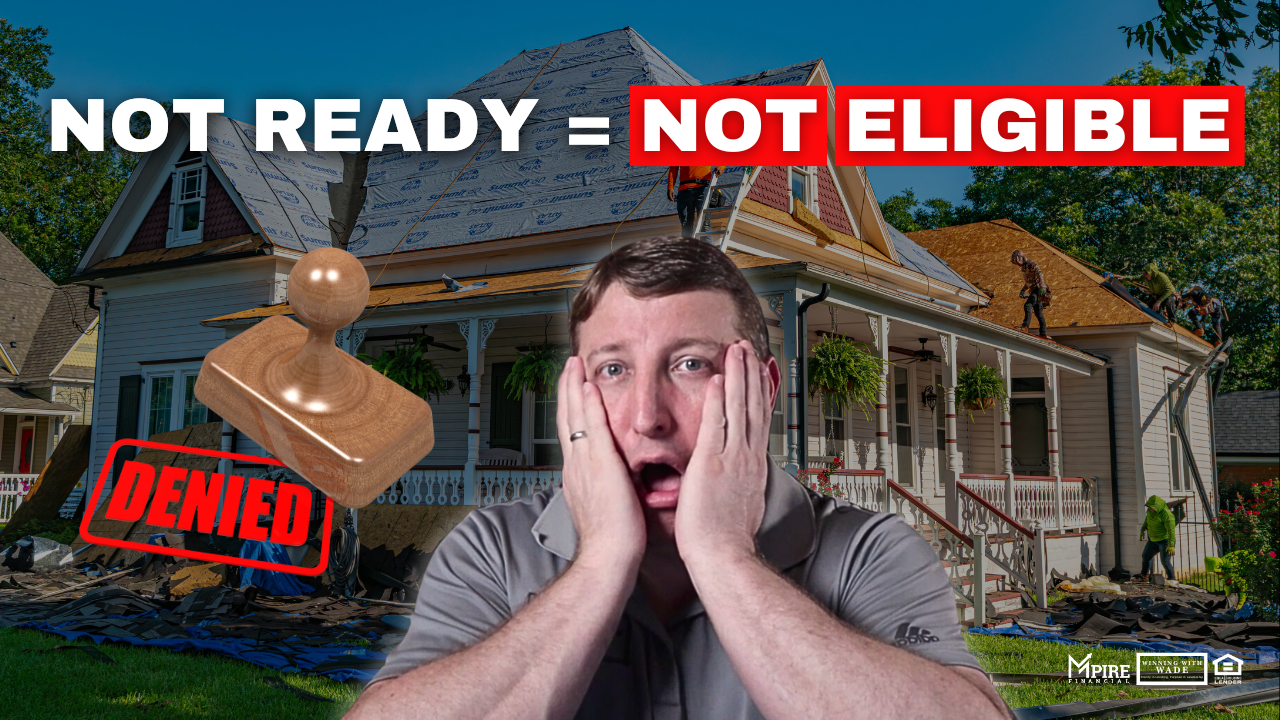
During the appraisal, the FHA appraiser will look for any peeling, flaking, or chipped paint. If they find it, those items must be repaired using approved lead-safe methods before the loan can close.
If a home built before 1978 has peeling or chipped paint, the loan cannot move forward until the repairs are completed correctly and documented. It is about safety and making sure everything is handled the right way.” — Wade Betz, Winning With Wade | Mortgage Education and Strategy
Why These Rules Matter
Lead exposure often goes unnoticed because it cannot be seen or smelled.
Even small amounts of dust can accumulate over time and cause long-term health issues.
FHA follows strict HUD and EPA guidelines to make sure older homes meet minimum safety standards before someone new moves in.
These rules are designed to protect you and anyone living in the home, not to make the buying process harder.
🕵🏼♀️ What the Appraiser Looks For
FHA appraisers review the home for safety and soundness in addition to value.
On any pre-1978 home, they will note:
- Cracked or peeling paint
- Chipping or flaking surfaces
- Areas where paint is wearing away
They do not test the paint for lead. Their role is to visually identify areas that need to be repaired using lead-safe procedures.
Common areas flagged include:
- Window trim
- Exterior siding
- Porches and railings
- Door frames
- Basements and utility spaces
Any visibly damaged paint will become a required repair.
Who Can Do the Repairs
Repairs that might disturb lead-based paint must be completed by someone trained in lead-safe practices.
This includes:
- EPA Lead-Safe Certified contractors
- Homeowners who have followed EPA lead-safe steps and provide documentation (allowed only for owner-occupied homes)
Investors or purchasers of HUD-owned homes must hire certified professionals unless they have completed approved EPA training.
Hiring someone who is not trained can delay the loan or cause the lender to stop the file until the repairs are adequately redone.
What it Means to Be Lead-Safe Certified
Lead-safe certification is issued by the EPA’s Renovation, Repair, and Painting program. The training teaches contractors how to:
- Identify potential lead hazards
- Contain dust properly
- Use approved cleaning methods
- Document everything for compliance
Certification lasts five years and can be verified through the EPA’s online directory.
Your lender will require proof of certification if a professional completed the repairs.
Documentation Your Lender Will Need
Even if the repairs look great, your loan cannot close until the lender receives the correct paperwork. Typically, this includes:
- A copy of the contractor’s EPA certification if a professional did the repairs
- A signed statement from the homeowner if they followed lead-safe methods themselves, along with receipts and photos
- The appraiser’s final inspection confirming all peeling paint has been corrected
The file must contain both the documentation and the visual verification.
🔍 Real Life Example
You are buying a 1965 home using an FHA loan.
The appraiser notes peeling paint on the window trim.
This becomes a repair condition.
You can either hire an EPA-certified contractor or handle the repairs yourself if allowed.
After the work is complete:
- The contractor provides their certificate, or you provide your compliance statement and receipts.
- The appraiser returns for a quick reinspection.
- The lender reviews your documentation and clears the loan to close.
If any paperwork is missing, the closing process pauses until it is submitted.
Special Rules for Investors and HUD-Owned Homes
If the home will not be your primary residence, the rules are stricter. You cannot perform the repairs yourself unless you have completed EPA lead-safe training.
HUD enforces this because these homes are often resold or rented, and they want to ensure all future occupants are safe.
✅ Checklist for Buyers of Pre-1978 Homes
Use this list to stay ahead of the FHA Lead Paint Requirements:
- Ask about the home’s age early.
- Look closely for peeling paint when touring.
- Budget for repairs if needed.
- Confirm contractor certification before hiring.
- Keep receipts, certificates, and photos.
- Submit all documents to your lender promptly.
- Schedule the appraiser’s reinspection as soon as repairs are finished.
Being proactive can prevent delays.
Common Myths Explained
- “FHA will not finance a home with lead paint.” FHA will finance these homes as long as peeling or damaged paint is repaired properly before closing.
- “Any handyman can repaint the affected areas.” Repairs must be completed by an EPA-certified contractor or by a trained homeowner using approved methods.
- “The appraiser verifies that the work was done lead-safe.” Appraisers only check that the peeling paint is gone. They do not evaluate safety procedures. That responsibility falls to you and your lender.
- “Lead paint is only dangerous if someone eats paint chips.” The greater risk is lead dust created during repairs or deterioration, which can be inhaled or accidentally ingested.
Costs You Should Expect
Pricing varies based on how much paint needs attention and whether interior or exterior surfaces are involved.
Small areas may cost only a few hundred dollars, while larger projects may require more extensive work.
Getting estimates from multiple EPA-certified contractors is the best way to plan for any potential costs.
What to Know About DIY Repairs
If you will live in the home and decide to do the repairs yourself, you must:
- Contain the area using plastic sheeting
- Use wet sanding or HEPA-equipped tools
- Clean up with HEPA vacuums and wet wiping
- Dispose of materials safely
- Keep photos, receipts, and a signed compliance statement
These steps are required to confirm the work was completed safely.
Documentation Tips to Keep Your Closing on Track
- Get the contractor’s certification before work begins
- Request a detailed invoice when the job is complete
- Take clear before and after photos
- Send all documents to your lender as soon as repairs are done
- Ask your lender if they prefer digital or scanned copies to speed up review
Small delays in documentation often cause closing delays, so staying organized is key.
📣 Frequently Asked Questions (FAQs)
Will FHA finance a home that contains lead paint?
Yes. FHA will finance homes with lead paint as long as hazards are repaired using approved lead-safe methods and documented properly.
Who can repair peeling paint on a pre-1978 home?
EPA-certified contractors or, in certain cases, trained homeowners buying an owner-occupied home.
What paperwork does my lender need?
Contractor certification or a homeowner compliance statement, receipts for materials and labor, and an appraiser reinspection report.
Can investors repair the paint themselves?
Not unless they have completed EPA training. Investors usually must hire certified professionals.
Does the appraiser test for lead?
No. The appraiser only verifies that peeling or chipping paint has been corrected.
How can I check if a contractor is certified?
Use the EPA’s online directory to confirm that their lead-safe certification is valid.
Final Thoughts
FHA Lead Paint Requirements may feel like an extra step in the process, but they are designed to keep homes safe and prevent exposure to a serious health risk.
Repairs must be completed correctly, documented clearly, and verified before closing.
If you are considering a pre-1978 home, the best approach is simple:
Look for paint issues early, confirm contractor certification, keep thorough records, and stay in close communication with your lender.
With the right preparation, these requirements become manageable and straightforward, helping you move into your home with confidence.

About the Author
Wade Betz
Mortgage Broker at Winning WIth Wade · NMLS #280613
Wade has been a stalwart in the mortgage industry since 2006, dedicating himself to helping thousands of families navigate the complexities of home financing. With so much experience, he stands out as a leading mortgage originator in the Dallas-Fort Worth area.
Specializes in: DSCR Loans, VA Loans, Reverse Mortgages
Licensed in: AL, AZ, AR, CA, CO, CT, FL, GA, ID, IL, IN, KS, LA, MD, MI, MS, MT, NE, NJ, NM, NC, OH, OK, OR, PA, SC, TN, TX, VA, WA, WI
Related Posts