Most veterans who apply for a VA loan have heard of the debt-to-income ratio, but…
Why Veteran Homeownership Builds More Wealth
According to Urban Institute research, veteran households own homes at a rate roughly 14 percentage points higher than the general population.
Most veterans who still rent are usually delayed due to one of three things:
- Active duty life made buying impractical
- The transition out of service brought too much uncertainty to commit
- The VA benefit was always available, but no one explained what it actually changes
For veterans who rent, the right question to ask is whether the financial picture today supports what it did not before.
⏰ Why Many Veterans Rent Longer Than Expected
Active duty service typically means relocating every two to three years.
Buying and selling a home costs roughly 8% to 10% of the home’s value on both sides, so when someone moves two years after buying again, appreciation rarely has enough time to offset those costs.
That explains a significant data gap.
Veteran households overall own at high rates, but active duty households own at only about 43%, well below both veteran and general population rates, with mobility and base housing accounting for most of the difference.
Post-Vietnam-era military households had lower home equity than comparable civilian households, specifically because frequent moves interrupted the compounding effect of long-term ownership.
That gap closed over time, and the variable that mattered was how long they owned.
Veterans Are Not Starting From Behind
Median veteran household income was identified at $66,800, compared with $58,000 for non-military households.
That income advantage matters because for most conventional buyers, the obstacle is upfront cash rather than monthly affordability.
Most buyers can afford the mortgage payment before they can afford the down payment required to get one, so they spend years building savings while renting.
Veterans with similar or stronger income do not have to follow that same path.
❌ What the VA Loan Removes From the Equation
The VA loan eliminates two of the largest obstacles first-time buyers face:
- No down payment requirement
- No monthly private mortgage insurance
On a conventional loan, a buyer putting down less than 20% pays private mortgage insurance each month until enough equity is built to cancel it.
That charge increases the monthly payment without reducing the loan balance or building ownership.
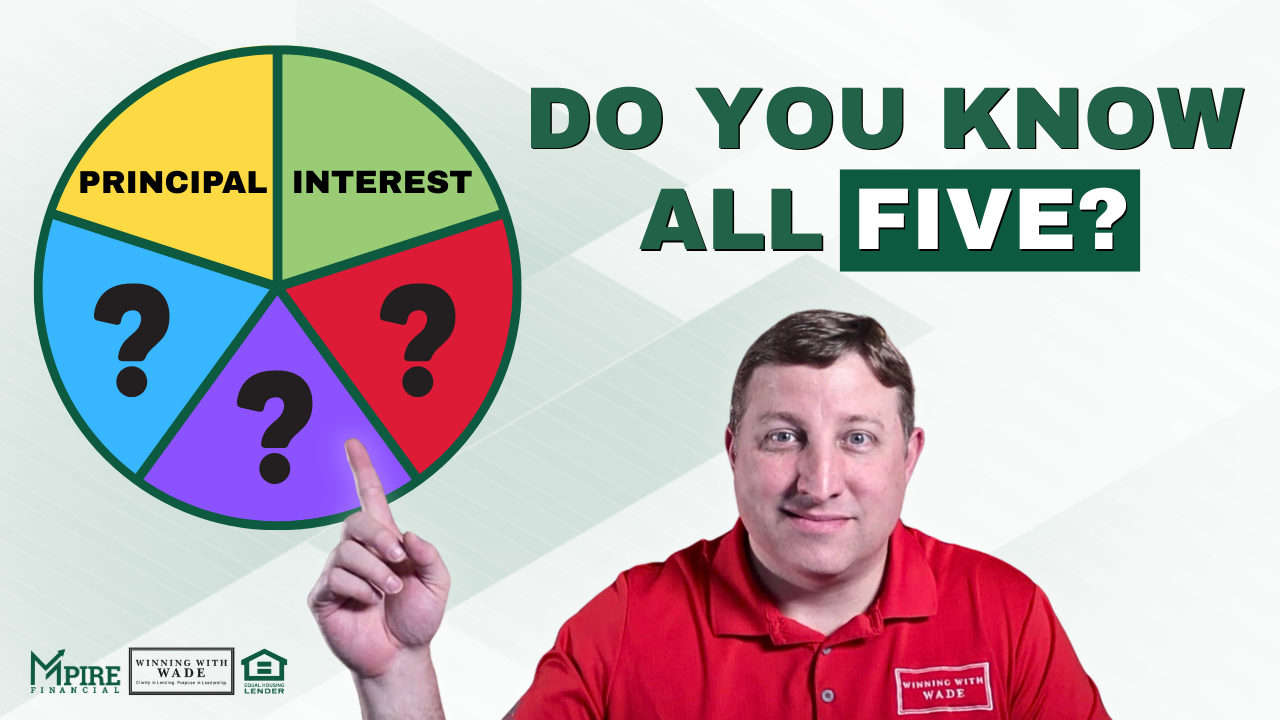
The VA loan does not require it, issuing every dollar of the payment toward:
- Principal
- Interest
- Taxes
- Insurance
Eliminating the down payment requirement can remove years from the timeline.
A veteran with good income, manageable debt, and reasonable credit may already be financially capable of owning.
Without the VA benefit, that same veteran could spend three to five more years saving enough cash to qualify conventionally.
The Benefit Probably Did Not Expire
A common mistake is assuming the benefit is gone because too much time has passed or because it was used before.
In most cases, neither assumption holds:
- Never used the benefit: it may still be fully available
- Used it and paid off the loan: entitlement may be restorable
- Used it and still have an active VA loan: remaining entitlement may still allow another use in certain circumstances
Confirm the current status rather than assume.
Veteran homeownership decisions should be based on current entitlements and finances, not on an outdated estimate.
📈 What Renting Costs Over Time
A mortgage payment gradually reduces a loan balance while building an asset.
A rent payment does not, and over five, ten, or twenty years, that difference compounds into a significant wealth gap.
Research also connected homeownership to narrower wealth gaps within the veteran population.
For households ages 35 to 54 that included veterans or active duty service members, the Black-white housing gap was materially smaller than in comparable non-military households.
Homeownership was the mechanism behind that narrowing.
Every year of renting is a year of payments building someone else’s equity instead of your own.
The Awareness Gap
Veterans near military bases have higher homeownership rates in part because they hear about VA lending regularly.
In areas with heavy military presence, VA loan usage is disproportionately high.
In Fayetteville, North Carolina, nearly 60% of home purchase loans were VA loans.
Veterans who move into civilian communities where the benefit is not part of everyday conversation use it far less, not because they are less eligible, but because the information does not reach them the same way.
That gap leads to untested assumptions:
- Assuming a large down payment is required
- Assuming prior use made the benefit unavailable
- Assuming qualification standards are out of reach without actually checking
- Assuming renting is the safer permanent option
When those assumptions go untested, renting becomes a default rather than a decision.
🛑 What Actually Holds Veterans Back
The research pointed to financial stress as the main predictor of lower homeownership rates, built on:
- Debt-to-income ratio
- Missed payments
- Credit card balances
- Lack of emergency savings
- Lower financial knowledge
These are specific conditions, and most are addressable:
- Credit card balances can be reduced
- DTI improves as balances fall
- Payment history strengthens through consistency
- Emergency reserves can be built over time
A veteran who is not ready today may be months of focused financial work away from being ready, not years.
The Transition Window
The period immediately after separation is when housing and financial patterns tend to form and persist.
Recently separated veterans were more likely to report feeling underprepared to manage personal finances, and housing instability was strongly connected to financial vulnerability in that window.
Several changes arrive simultaneously:
- Income shifts
- Living costs change
- Civilian financial products feel unfamiliar
- The structure of military life disappears
Veterans who do not buy during or shortly after that transition often continue renting by inertia.
The question simply never gets revisited once life stabilizes.
A veteran who isn’t positioned to buy today may be months of deliberate financial work away from being in a good position.” — Wade Betz, Winning With Wade | Mortgage Education and Strategy
✅ How to Evaluate Whether You Are Ready Now
The decision to buy should come down to concrete conditions, not how long you have rented or whether the timing feels late.
- Debt-to-income ratio: How much of gross monthly income is already committed to recurring debt affects both qualification and monthly flexibility.
- Payment history and credit profile: Consistent on-time payments matter. Reasonable credit paired with stable income can put buying within reach even when savings are limited.
- Cash reserves: Even without a down payment requirement, reserves beyond closing costs reduce stress after move-in and create stability.
- Income stability: Reliable income is one of the strongest factors in the application and one of the main pillars of successful ownership.
- VA loan entitlement: Confirm current entitlement status directly. Do not assume.
For many veteran renters, the answer falls into one of three categories:
- Ready to buy now
- Close, but needing targeted financial work
- Needing more time, with a clear path forward
Veteran Homeownership Readiness Checklist
Before deciding whether to rent or buy:
- Review debt-to-income ratio against VA qualifying guidelines
- Check payment history and credit profile for any issues to address
- Confirm cash reserves available beyond closing costs
- Verify income stability and documentation
- Check VA loan entitlement status, including any prior use
- Identify specific financial stress factors and create a plan to address them
- Confirm whether assumptions about the benefit are based on current facts or outdated guesses
📣 Frequently Asked Questions (FAQs)
Does the VA loan benefit expire if a veteran has been renting for years?
No. The benefit does not expire simply because time has passed. A veteran who has rented for years after service may still have full or partial access.
Can a veteran use the VA loan again after using it before?
Yes, in many cases. If a prior VA loan was paid off, entitlement may be restorable. If there is still an active VA loan, remaining entitlement may allow another use depending on the circumstances.
Why is veteran homeownership higher than that of the general population?
The research points to three main factors: access to the VA loan benefit, stable military-related income, and educational benefits. The VA loan is especially significant because it removes the down payment requirement and eliminates the need for private mortgage insurance.
Why do active duty households own at lower rates than veterans overall?
Frequent relocations and access to base housing are the primary reasons. Short ownership windows make it harder for appreciation and principal paydown to offset the costs of buying and selling.
What financial factors matter most when evaluating readiness?
Debt-to-income ratio, payment history, credit profile, emergency savings, and income stability. Confirming VA benefit access is also essential.
What if a veteran is not ready to buy right now?
High credit card balances, limited savings, and recent payment issues can often be addressed with focused financial work over a relatively short period.

About the Author
Wade Betz
Mortgage Broker at Winning WIth Wade · NMLS #280613
Wade has been a stalwart in the mortgage industry since 2006, dedicating himself to helping thousands of families navigate the complexities of home financing. With so much experience, he stands out as a leading mortgage originator in the Dallas-Fort Worth area.
Specializes in: DSCR Loans, VA Loans, Reverse Mortgages
Licensed in: AL, AZ, AR, CA, CO, CT, FL, GA, ID, IL, IN, KS, LA, MD, MI, MS, MT, NE, NJ, NM, NC, OH, OK, OR, PA, SC, TN, TX, VA, WA, WI
Related Posts