
If you bought or refinanced between 2020 and 2022, you may be sitting on a…
How a DSCR Loan Works and Whether It Fits Your Real Estate Strategy
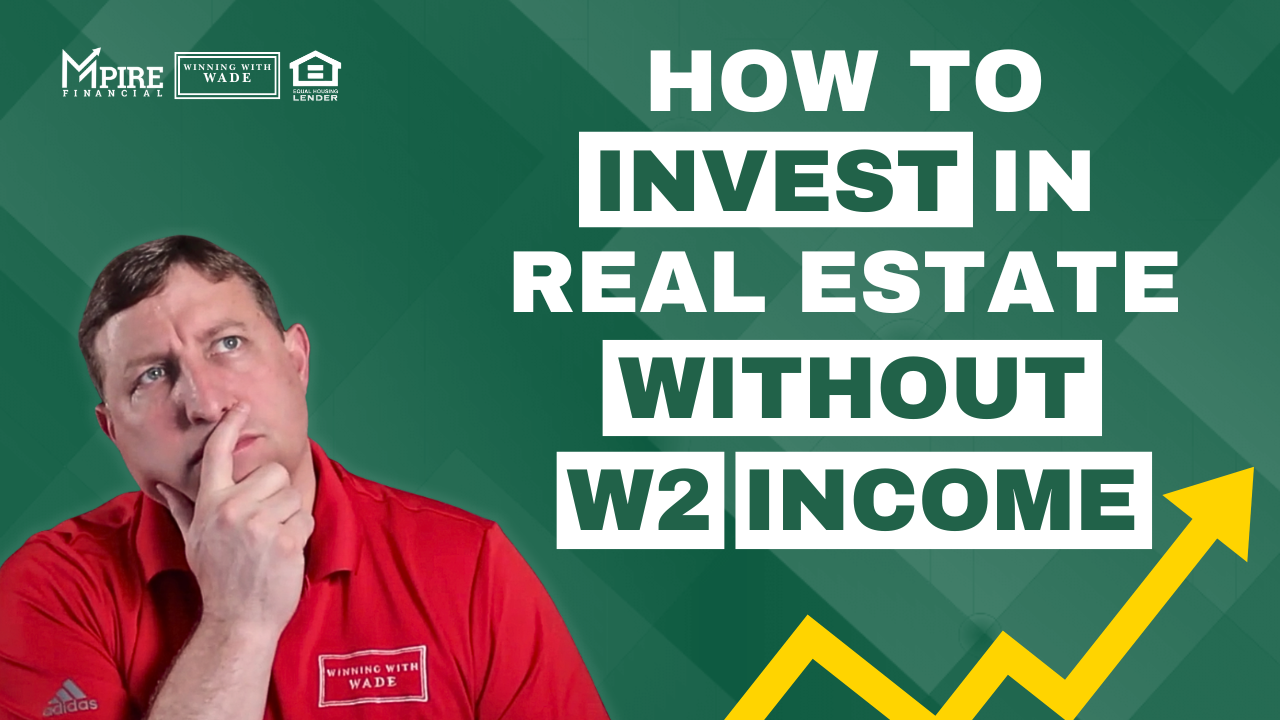
If you have ever assumed you needed W-2 income, clean tax returns, and a low personal debt-to-income ratio to finance a rental property, a DSCR loan may change how you think about investment lending.
Unlike a traditional mortgage that centers on the borrower’s personal income, a DSCR loan qualifies primarily based on the property itself.
The core question is: Does the rental income support the payment?
That difference matters for self-employed borrowers, investors with variable income, and anyone trying to scale beyond conventional loan limits.
What Is a DSCR Loan?
A DSCR loan is an investment property loan that qualifies primarily based on the property’s income rather than the borrower’s personal income. DSCR stands for debt service coverage ratio, and it measures whether the property generates enough rent to cover its monthly housing expenses.
That monthly housing expense typically includes:
- Principal and interest
- Property taxes
- Insurance
- HOA or association dues if applicable
Instead of building the file around W-2s, tax returns, or employment history, the underwriting leans on rental income, credit, available assets, and the strength of the deal.
🏡 Why Investment Property Financing Works Differently
When a borrower buys a primary residence, the lender evaluates the borrower. The question is whether that person can afford:
- The mortgage based on income
- Debts
- Employment
- Credit
With an investment property, a second layer applies. The lender also evaluates whether the property itself makes financial sense.
Rental properties carry risks that owner-occupied homes do not, including:
- Vacancy
- Maintenance and repairs
- Market rent fluctuations
- Management challenges
Because of that added risk, investment financing generally comes with stricter standards and higher rates than owner-occupied financing.
A DSCR loan was built specifically for that environment.
How a DSCR Loan Compares to Other Investment Financing Options
Conventional Loans
Conventional financing can be used for investment properties and may offer competitive rates, but qualification is rigid.
Borrowers need strong credit, a meaningful down payment, and personal income that supports the lender’s debt-to-income limits.
That personal income requirement is often where the process breaks down for self-employed borrowers or investors with complex finances.
FHA Loans
FHA loans are not designed for pure investment purchases.
They can be used on multifamily properties only if the borrower occupies one of the units. FHA is not the solution For a property used strictly as a rental, FHA is not the solution.
VA Loans
VA loans offer significant benefits for eligible veterans and active-duty service members, but occupancy is required.
They are not intended for non-owner-occupied rental acquisitions.
Hard Money Loans
Hard money is asset-based and typically used for short-term projects like property flips.
These loans carry higher rates and shorter repayment windows and are generally not structured for long-term rental holds.
🔑 Where the DSCR Loan Stands Out
A DSCR loan falls into the non-QM (non-qualified mortgage) category.
It does not follow the same conventional underwriting framework, making it especially useful for:
- Self-employed borrowers without traditional W-2 income
- Investors with multiple income streams that do not fit conventional applications
- Borrowers who want a qualification tied to property performance
- Portfolio builders trying to scale without personal DTI constraints
How the Debt Service Coverage Ratio Is Calculated
Before running any numbers on a potential deal, it helps to understand exactly what the lender is measuring.
Monthly rental income ÷ monthly debt service = DSCR
Here is how to interpret the result:
- A ratio of 1.00 means the property breaks even. Rental income exactly covers the payment.
- A value above 1.00 indicates the property generates more income than the payment requires.
- A value below 1.00 indicates the rent does not fully cover the monthly obligation.
Most lenders want to see a ratio of at least 1.00, but for short-term rentals, many lenders look for a stronger ratio, often around 1.25 or higher.
As an example, if a three-unit property brings in $4,800 per month in rent and the full monthly payment is $3,500, the ratio is approximately 1.37.
That means the property generates about 37 percent more income than it costs to carry each month, which is a strong position for financing.
The exact numbers always depend on:
- Current rates
- Taxes
- Insurance
- Property type
- Lender guidelines
Running the math early before making an offer is essential.
The Three Core Qualification Pillars
A DSCR loan is more flexible than a conventional loan on personal income documentation, but the lender is still looking for a solid file.
Three areas carry the most weight.
The Property Must Cash Flow
This is the heart of the loan, as the rental income must support the required ratio.
For long-term rentals, lenders typically rely on an existing lease or a market rent estimate.
For short-term or vacation rentals, lenders may use an income analysis report to estimate earning potential.
Credit Still Matters
Even though personal income verification is reduced, credit remains important.
A stronger score generally improves both pricing and loan options.
Exact minimums vary by lender, but solid credit is consistently one of the main pillars of approval.
Assets and Reserves Are Required
Borrowers need funds for the down payment, closing costs, and cash reserves.
Reserves are commonly measured as several months of the full housing payment, with six months as the common benchmark.
Some lenders require more or less, depending on the scenario.
📝 What Documentation Is Typically Required
One of the main attractions of a DSCR loan is that many borrowers will not need to submit W-2s, tax returns, or traditional personal income documentation.
What lenders commonly do require includes:
- Current lease agreements
- Rent rolls, if applicable
- Short-term rental income analysis reports
- Bank statements showing available funds
- Credit report authorization
- Legal documents for borrowing through an LLC or partnership
The file centers on the property’s income and the borrower’s liquidity rather than personal wage documentation.
Why the Down Payment Matters So Much
Down payment size plays an outsized role in a DSCR loan because it directly affects the monthly payment, which in turn affects the debt service coverage ratio.
The more that goes down, the lower the payment. The lower the payment, the easier it is for the property to hit the ratio requirement.
Typical tiers often look like this:
- 25% down is the most common and strongest position, generally producing the best ratio, the best rate, and the most lender options
- 20% down is possible in some cases, but typically requires the property to hit a DSCR of at least 1.00 cleanly and may come with fewer lender options
- 15% down is rarely workable because most properties do not cash flow well enough at that leverage level
A realistic budget for a DSCR loan should account for the down payment, closing costs, and reserves together, not separately.
💸 What a DSCR Loan Costs
A DSCR loan is an investor-focused product, and the cost structure reflects that.
Rates are generally higher than conventional owner-occupied financing.
The exact rate depends on:
- Credit score
- Down payment
- Loan-to-value ratio
- The property’s DSCR
- Current market conditions
Stronger ratios, larger down payments, and better credit all work in the borrower’s favor when it comes to rate.
Closing costs are similar in structure to other mortgage transactions and typically include:
- Origination fees
- Underwriting fees
- Points
- Title charges
- Prepaid interest
- Prepaid taxes
- Insurance
Prepayment Penalties
Many DSCR loans include a penalty if the loan is paid off early through a sale or refinance within a defined window.
That window typically ranges from 0 to 5 years, with 3 years being common.
In some cases, borrowers can buy out that penalty upfront for added flexibility. This matters significantly for anyone planning to refinance soon after stabilization or sell in the near term.
Eligible Property Types and Investment Strategies
A DSCR loan works across a broad range of investment properties.
Eligible types commonly include:
- Single-family rental homes
- Multifamily properties
- Short-term and vacation rentals
- Mixed-use properties where most income comes from residential units
Buy and Hold
Long-term investors use DSCR loans to acquire rentals that produce steady income over time.
This is one of the most straightforward applications of the product.
Short-Term Rentals
In strong vacation or high-demand markets, a DSCR loan can support properties where nightly revenue drives cash flow.
Because lender guidelines are often stricter for these properties, the quality of the income analysis carries extra weight.
The BRRRR Method
BRRRR stands for buy, rehab, rent, refinance, repeat.
It comes up frequently with DSCR loans because the refinance step aligns well with income-based qualification.
The sequence works like this:
- Buy a property that needs work, often at a discount
- Rehab the property
- Rent it out
- Refinance based on the improved value and rental income
- Use recovered capital toward the next acquisition
- Repeat
For portfolio builders, this can become a repeatable system when the numbers support it.
📈 Why a DSCR Loan Supports Portfolio Scaling
Conventional financing often becomes restrictive as investors accumulate properties.
Personal debt-to-income limits and property count caps can slow growth.
DSCR financing generally does not work the same way.
Because qualification centers on property income rather than personal income ratios, it can be a more practical path for investors trying to keep acquiring.
These loans can also often be closed in the name of an LLC or partnership rather than solely in an individual’s personal name, which adds a layer of liability separation alongside the income-based underwriting model.
A DSCR loan shifts the focus from personal income to property performance. For the right borrower and the right deal, that can make financing more flexible, more scalable, and more aligned with how investment real estate actually works.” — Wade Betz, Winning With Wade | Mortgage Education and Strategy
How to Position for Better Terms
Property selection matters more than many new investors realize.
The deals that perform best under DSCR underwriting are those in which rent cleanly supports the purchase price.
Markets with strong rental demand, lower vacancy rates, and potential for rent growth tend to produce stronger ratios over time.
A few practical principles improve the numbers:
- A higher purchase price requires more rent to maintain the same ratio, making overpriced deals particularly unforgiving.
- Multifamily properties spread vacancy risk across multiple units.
- Properties with rent upside or room for operational improvements can strengthen the ratio later, which matters if refinancing is part of the plan.
Managing the Loan After Closing
The strategy does not end when the loan closes.
- If interest rates drop meaningfully, refinancing may improve cash flow by reducing the monthly payment.
- If the property appreciates, a cash-out refinance may unlock equity for future acquisitions.
In both cases, prepayment penalties need to be evaluated before making a move.
Keeping vacancy low, maintaining the property well, and preserving or increasing rental income all support the financial performance that makes DSCR financing effective over time.
⏰ When a DSCR Loan Makes Sense
A DSCR loan is worth exploring when:
- The property generates strong rental income relative to the purchase price
- A meaningful down payment is available, typically around 25 percent
- Funds also exist for reserves and closing costs
- Credit is in solid shape
- Personal income is variable, complex, or self-employed
- The goal is to scale a portfolio without relying on personal DTI limits
- The target is a vacation or short-term rental where income potential drives the deal
When a DSCR Loan Is Probably the Wrong Tool
- The property does not cash flow, and the DSCR falls below 1.00
- Sufficient capital for the down payment, closing costs, and reserves is not available
- The strategy is a quick flip rather than a hold
- The property is a primary residence rather than an investment or vacation property
✅ DSCR Loan Preparation Checklist
Before pursuing a DSCR loan:
- Identify a property with rental income that supports a DSCR of 1.00 or higher
- Confirm available capital for the down payment, closing costs, and reserves
- Pull credit and address any issues before applying
- Gather lease agreements, rent rolls, or income analysis reports
- Determine whether borrowing through an LLC fits the strategy
- Understand the prepayment penalty structure before committing
- Run the ratio calculation before making an offer, not after
📣 Frequently Asked Questions (FAQs)
What is a DSCR loan in simple terms?
A DSCR loan is an investment property loan that qualifies primarily based on whether the property’s rental income covers the monthly mortgage payments, rather than on the borrower’s personal income.
How is DSCR calculated?
DSCR is calculated by dividing the property’s monthly rental income by its monthly debt service, which typically includes principal, interest, taxes, insurance, and any HOA dues.
What ratio do lenders usually want?
Most lenders look for a ratio of at least 1.00. For short-term rentals, many lenders want something stronger, often 1.25 or higher.
Do I need W-2s or tax returns for a DSCR loan?
In many cases, no. DSCR loans often do not require traditional personal income documents. Lenders typically focus on property income, assets, credit, and reserves.
How much down payment is usually needed?
A 25 percent down payment is commonly the strongest position. Some lenders allow 20 percent, but the property usually needs to meet the ratio requirement cleanly. Lower options are much less common.
Can a DSCR loan be used for a short-term rental?
Yes, when the lender allows it and the property’s projected income supports the required ratio. Guidelines for short-term rentals are often stricter than for long-term rentals.
Can I get a DSCR loan in an LLC?
Many DSCR loan programs allow borrowing in the name of an LLC or partnership, which appeals to investors focused on liability separation and portfolio growth.
Is a DSCR loan good for flipping houses?
Generally no. Prepayment penalties and the income-producing hold structure make DSCR loans a better fit for rentals than quick flips.

About the Author
Wade Betz
Mortgage Broker at Winning WIth Wade · NMLS #280613
Wade has been a stalwart in the mortgage industry since 2006, dedicating himself to helping thousands of families navigate the complexities of home financing. With so much experience, he stands out as a leading mortgage originator in the Dallas-Fort Worth area.
Specializes in: DSCR Loans, VA Loans, Reverse Mortgages
Licensed in: AL, AZ, AR, CA, CO, CT, FL, GA, ID, IL, IN, KS, LA, MD, MI, MS, MT, NE, NJ, NM, NC, OH, OK, OR, PA, SC, TN, TX, VA, WA, WI
Related Posts